Why Every Facility Needs a Capital Reserve Study—and How to Build One Yourself


Creating a Capital Reserve Study for a facilities maintenance department is a crucial step in ensuring that your facility operates efficiently and effectively.
What Is a Capital Reserve Study?
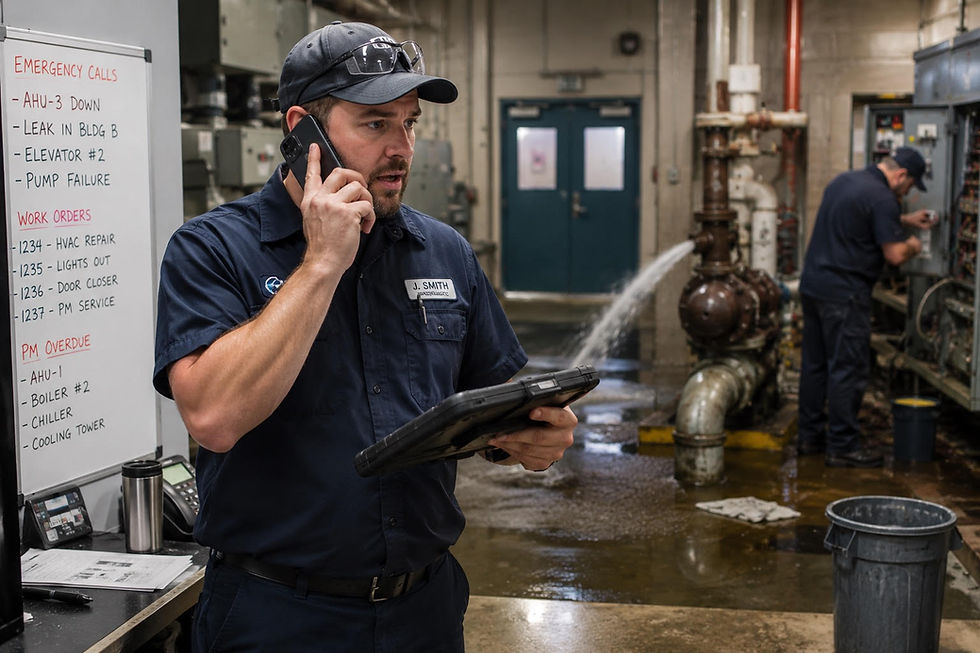
Every facility contains assets that will eventually need to be repaired, replaced, or upgraded. Roofs wear out, HVAC systems reach the end of their useful life, pumps fail, and building finishes deteriorate over time.
A capital reserve study is a planning tool that helps you identify those future replacement needs, estimate costs, and develop a long-term funding strategy. Rather than reacting to equipment failures and emergency repairs, a reserve study allows you to plan ahead and make informed budgeting decisions.
Many organizations hire consultants to perform reserve studies and develop 20-year capital plans. While those services can provide value, they can also be expensive and difficult to keep updated as conditions change.
The good news is that many facilities already have the knowledge and resources necessary to complete a reserve study in-house.
Why Consider Doing Your Own Reserve Study?
An in-house reserve study offers several advantages:
Lower cost than hiring outside consultants.
Greater familiarity with your facility and equipment.
Easier annual updates.
Better visibility into future capital needs.
Improved budgeting and project planning.
Perhaps the greatest benefit is the knowledge gained during the process. Evaluating every major asset in your facility forces you to develop a deeper understanding of how your building operates and where future risks exist.

Step 1: Create a Complete Asset Inventory
Start by documenting all major equipment and building assemblies throughout your facility.
This may include:
HVAC equipment
Boilers and water heaters
Electrical distribution equipment
Plumbing systems
Roofing systems
Flooring and interior finishes
Kitchen equipment
Pool equipment
Site infrastructure
Building envelope components
The goal is to identify every significant asset that may require replacement in the future.
A room-by-room walkthrough is often the most effective approach because it helps ensure that no major assets are overlooked.
Step 2: Evaluate Asset Condition
For each asset, assign a condition rating based on visual observations, maintenance history, age, and performance.
A simple rating system might include:
New
Good
Worn
Poor
Failing
Failed
This establishes a baseline understanding of the current condition of your facility.
Step 3: Assess Risk of Failure
Condition alone does not always determine priority. Some assets may be in fair condition but create significant operational issues if they fail.
Consider questions such as:
How likely is the asset to fail?
What would happen if it stopped working tomorrow?
Would operations be disrupted?
Would occupants be affected?
Are there safety concerns?
Assigning a risk-of-failure rating helps prioritize future capital projects.
Step 4: Estimate Remaining Useful Life
Next, estimate how many years each asset is likely to remain in service.
Useful life estimates can be based on:
Manufacturer recommendations
Industry standards
Maintenance history
Current condition
Facility staff experience
The objective is not perfect accuracy. The goal is to create reasonable planning assumptions that can be refined over time.
Step 5: Estimate Replacement Costs
Once useful life estimates have been established, determine approximate replacement costs for each asset.
Sources may include:
Recent project costs
Contractor estimates
Vendor quotes
Budget pricing
Historical records
These estimates do not need to be exact. They simply provide a planning framework for future budgeting.
Step 6: Build Your Capital Reserve Plan
Using the information collected, organize assets into a reserve plan showing:
Asset description
Current condition
Risk of failure
Remaining useful life
Estimated replacement year
Estimated replacement cost
Many facilities choose to build a 10- to 20-year reserve plan while focusing most attention on the next five years, where budgeting decisions are most immediate and forecasting is generally more reliable.
The result is a roadmap for future capital spending.
Step 7: Review and Update Annually
A reserve study should be a living document, not a one-time project.
Each year:
Remove completed projects.
Update asset conditions.
Adjust replacement schedules.
Revise cost estimates.
Add newly installed assets.
Annual updates keep the plan relevant and improve accuracy over time.
The Hidden Benefit
Most people think a reserve study is simply a budgeting tool.
In reality, it is also one of the best ways to learn your facility.
By inspecting equipment, reviewing asset conditions, and discussing replacement timelines, you develop a much deeper understanding of your building and its long-term needs.
Many facility managers uncover overlooked assets, identify emerging issues, and discover opportunities for preventative maintenance during the process.
Final Thoughts
A capital reserve study is one of the most valuable planning tools a facility can have. It helps prevent surprises, supports long-term budgeting, and provides a clear picture of future capital needs
While some organizations may still benefit from hiring consultants, many facilities can successfully create and maintain their own reserve study using existing staff knowledge and a systematic approach.
The process takes time, but the payoff is significant: better planning, better budgeting, and a stronger understanding of the facility you manage.


Comments